About Kraftgene AI
Founded in Toronto, Ontario, Kraftgene AI is an early-stage startup focused on developing artificial intelligence solutions for the energy sector. We are working to create innovative technologies that will help protect Canada's energy infrastructure while supporting environmental sustainability.
Our team is passionate about leveraging cutting-edge AI, machine learning, and data analytics to address the complex challenges facing Canada's energy industry in an era of climate change.
- Based in Toronto, Ontario
- Focus on AI and energy infrastructure
- Committed to environmental sustainability
Our Vision
We envision a future where artificial intelligence seamlessly protects world's energy infrastructure while safeguarding the environment. Our goal is to develop comprehensive AI solutions that integrate environmental intelligence, energy infrastructure monitoring, and real-time data from robotics like drones and ground robots to protect world's critical energy systems. We also envision a future where we extend our platform with an AI Agent System that introduces autonomous decision-making. This multi-agent architecture will enable automated grid stabilization, threat response, and emissions optimization to reduce system response times from minutes to seconds.
Environmental Protection
Early detection and monitoring of environmental threats
Infrastructure Security
Protecting critical energy systems and assets
AI Innovation
Advanced machine learning, predictive analytics and agentic system
Sustainable Future
Supporting Canada's clean energy transition
System Architecture & Roadmap
Deep dive into our engineering standards. From our foundational data acquisition platform to our roadmap for autonomous agentic systems.
Latest Research & Innovations
From the lab to the grid. We are pioneering the next generation of predictive AI and autonomous systems.
Predictive Cascade Failure Analysis
We have developed a sophisticated model built on Graph Neural Networks (GNNs) and a Physics-Informed Learning (PIL) framework. By processing the grid as a graph and fusing multi-modal data, we can forecast catastrophic cascade failures 15-35 minutes before they occur.
- 78.4% detection rate
- Fuses telemetry, satellite, and robotic sensors
- Physically plausible predictions via PIL
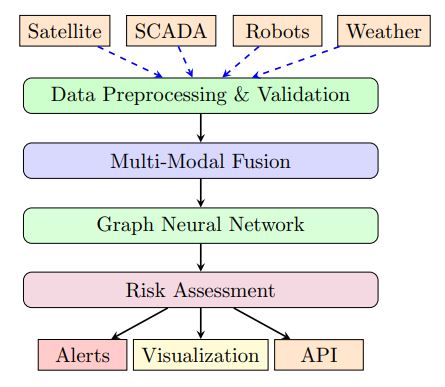
Figure 1: System architecture for multi-modal predictive cascade failure analysis.
Real-Time Edge Wildfire Detection
Relying on the cloud is too slow for wildfire response. Our new YOLO-based model runs directly on the embedded processors of autonomous drones. It identifies fire threats instantly, without a network connection.
Impact
Enables immediate autonomous detection without network dependency, reducing response times from minutes to milliseconds to prevent ignition spread.
Figure 2: Real-time edge AI wildfire detection demonstration (Original vs. AI Predicted).
Flood Detection for Grid Resilience
Detecting floodwaters in muddy, complex terrain is notoriously difficult. Our custom segmentation models distinguish actual water threats from harmless background noise, providing the "eye in the sky" needed to protect substations.
These visual insights serve as dynamic inputs for our failure analysis, predicting how the grid will react to rising waters minutes before a substation is submerged.
Impact
Provides precise flood mapping around substations, allowing operators to deploy defenses or isolate equipment before water breaches critical levels.
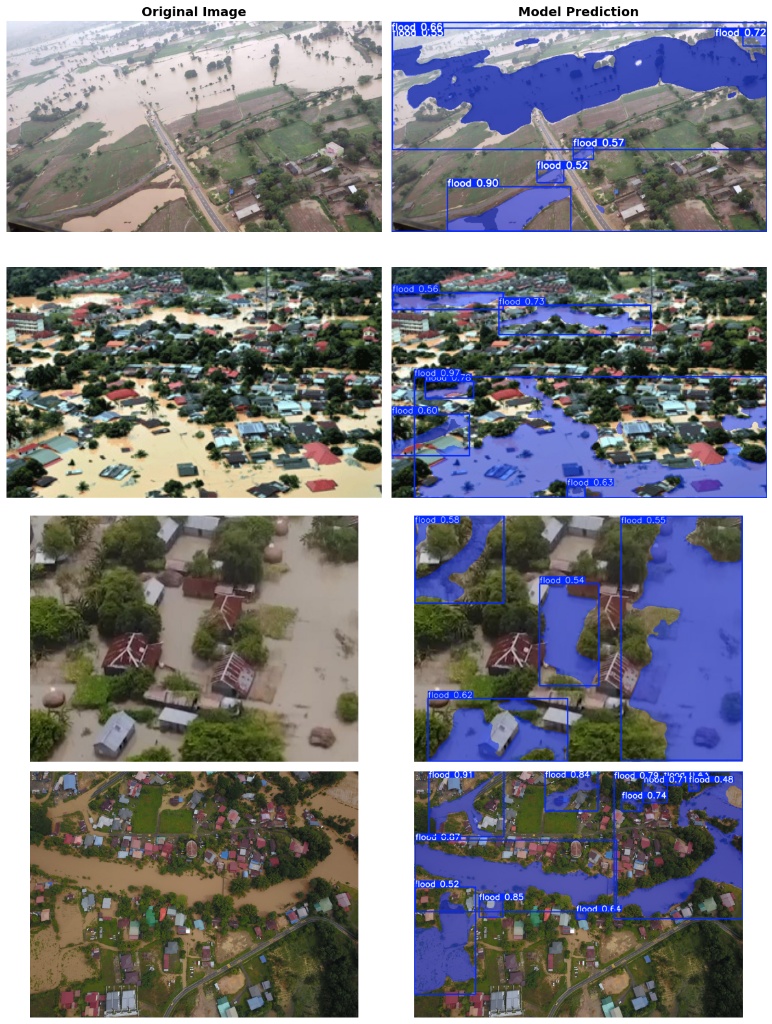
Figure 3: Flood detection segmentation model output identifying water in complex terrain.
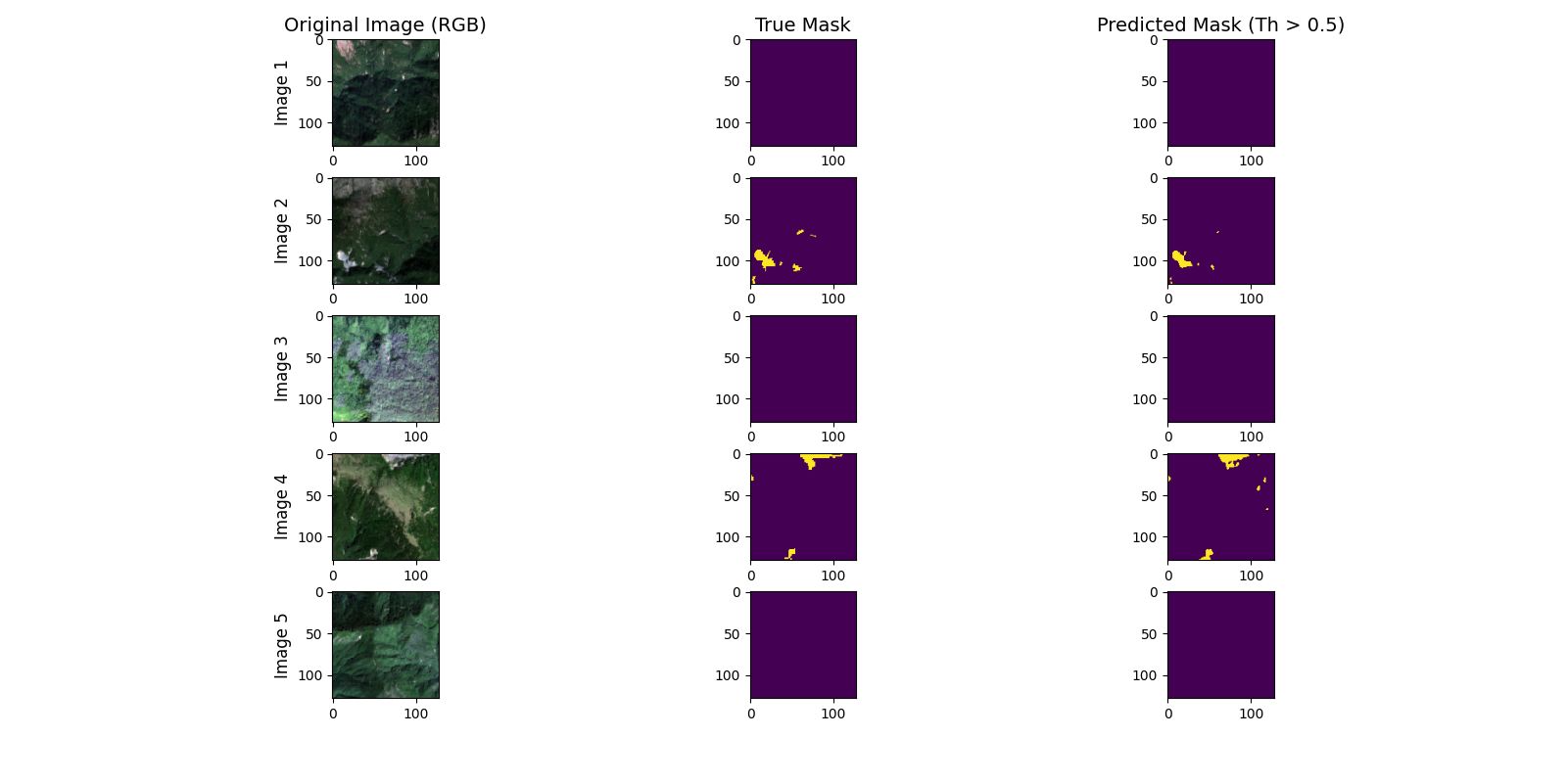
Figure 4: Predictive landslide risk assessment using multi-modal data fusion (Satellite & SCADA).
Predictive Landslide Risk
Our framework fuses satellite imagery with real-time SCADA telemetry to pinpoint landslide risks with high true-positive rates and minimal false positives (7.8%).
Impact
Enables operators to de-energize lines or reroute power 15-35 minutes before physical impact, preventing cascading blackouts and wildfires.
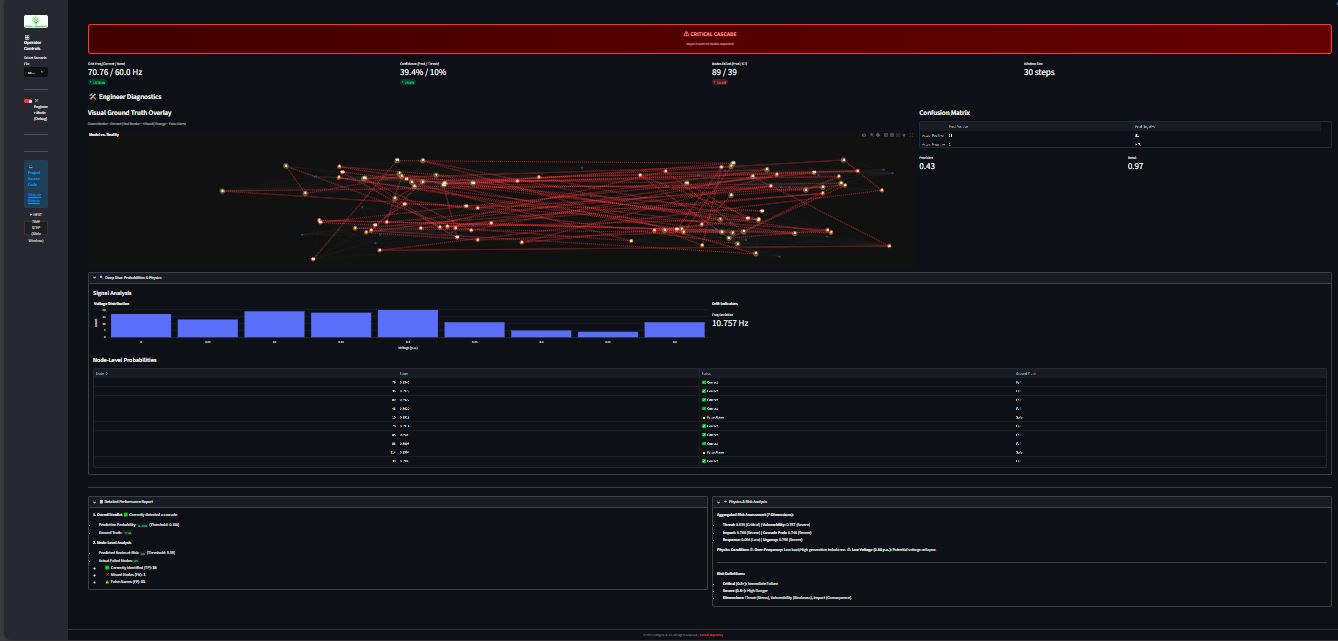
Figure 5: Interactive Mini-MVP showing Engineer Mode diagnostics and cascade path prediction.
Interactive Mini-MVP: Physics-Informed Cascade Detection
A streamlined, interactive demonstration of our core AI engine designed for technical validation. This Mini-MVP allows engineering teams to explore failure scenarios using synthetic data, showcasing our "Zero-Miss" architecture.
Capabilities
- Tuned for "Zero-Miss" sensitivity (100% event recall).
- Interactive "Engineer Mode" for deep signal diagnostics.
- Adheres to physics-based power flow constraints.
Strategic Partners & Ecosystem
Accelerating our technology with the support of industry leaders and innovation hubs.