The Operating System for
Critical Grid Resilience, Oil & Gas Pipelines, & Renewable Energy Management
EnergyEminence™ is a physics-backed digital twin that fuses live drone surveillance and physics-informed ML as a predictive engine with an autonomous AI Copilot to instantly detect, isolate, and mitigate catastrophic failures before they happen.
Designed for Mission-Critical Action.
The EnergyEminence™ suite—anchored by its flagship twins, EnergyEminence - G (Power Grids) and EnergyEminence - P (Oil & Gas Pipelines)—replaces legacy, reactive telemetry with an active, physics-informed environment built for decisive defensive control.
Multi-Modal Twin Visualization
Seamlessly toggle between 2D geographic reality and 3D physics-relaxed topological shapes. Understand the spatial and logical relationships of critical infrastructure simultaneously in real-time.
Dynamic Topology Engineering
Edit grid architecture on the fly. Drop new generation nodes, draw transmission lines, and define load parameters within an interactive sandbox to securely model infrastructure upgrades.
Environmental Intelligence Fusion
Overlay live meteorological data directly onto the grid topology. Monitor severe weather patterns, flood zones, and atmospheric conditions to proactively manage infrastructure exposure.
Edge-Processed UAV Ingestion
Pipe live drone video feeds directly into the digital twin. Deployed edge AI models process visual data locally, identifying physical threats like encroaching wildfires with zero latency.
Autonomous Grid Copilot
Transition from reactive alerts to autonomous action. The Grid Copilot instantly generates an executable mitigation matrix to isolate burning nodes, shed load, and halt cascading failures.
3D Spatial Mitigation
Execute complex cascade and wildfire response strategies using our immersive 3D topological view. The Copilot orchestrates real-time spatial isolation commands with complete situational awareness.
Multi-Spectrum Thermal Vision
Go beyond standard optical feeds with real-time FLIR and thermal infrared drone ingestion. The AI vision engine continuously scans for intense heat anomalies—detecting overheating transformers and invisible structural fires to trigger immediate Copilot isolation.
Physics-Informed Prediction Engine
Stay ahead of catastrophe. Our predictive AI engine utilizes physics-informed machine learning to forecast node failures and map cascading blackouts before physical infrastructure is actually compromised.
One Core Engine. Global Scale.
EnergyEminence™bridges the gap between sectors with a highly modular architecture. Our edge-deployed AI agents deliver fast, comprehensive optimization across all facets of critical infrastructure.
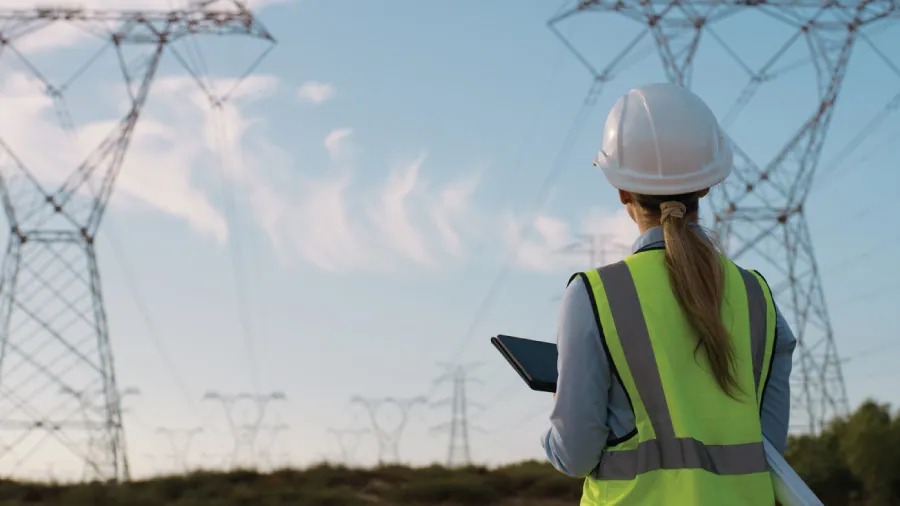
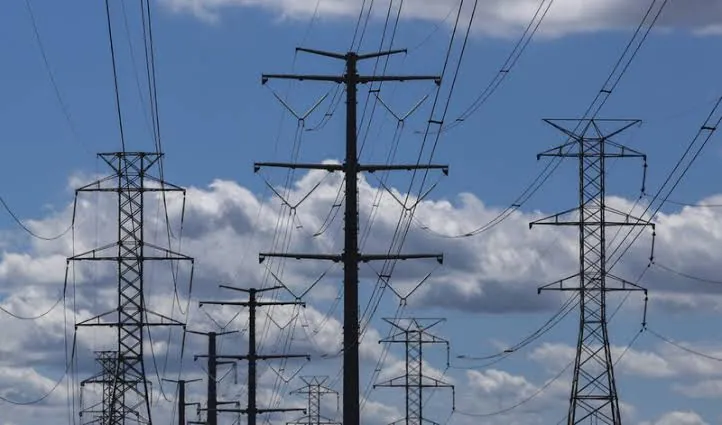
Utilities & Power Grids
Protecting critical infrastructure from compounding threats like severe weather and equipment failure is no longer a reactive process, but a highly proactive one. In recent real-world applications, utility giants like Pacific Gas and Electric Company (PG&E) have launched AI-driven continuous monitoring centers that analyze millions of sensor data points to spot problems before they ignite.
Similar to how predictive intelligence successfully intercepted 17 potential ignitions in high fire-risk areas and avoided 12 million minutes of outages for PG&E, our Graph Neural Networks process vast arrays of telemetry to forecast catastrophic events before physical infrastructure is compromised. Instead of waiting for a system failure, our predictive cascade mitigation automatically isolates failing nodes and executes active load balancing to prevent widespread blackouts. Furthermore, by utilizing real-time drone telemetry, vegetation and wildfire defenses can autonomously map encroachment and safely de-energize lines in the direct path of impending fires.
Oil & Gas Midstream
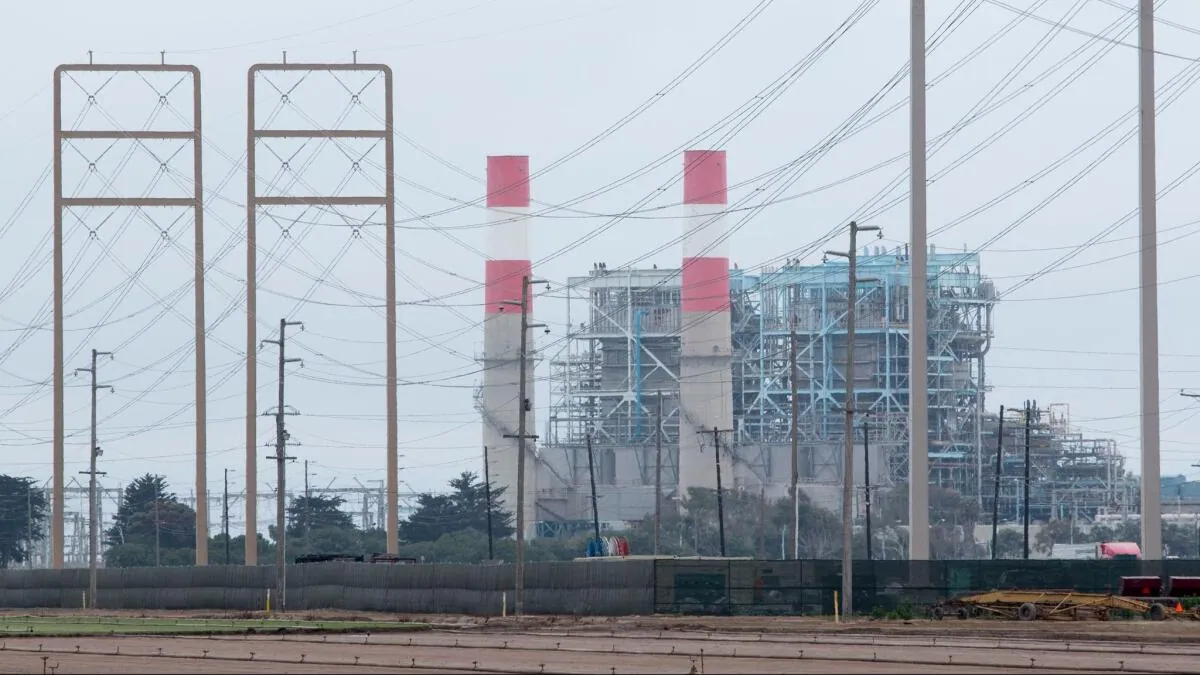
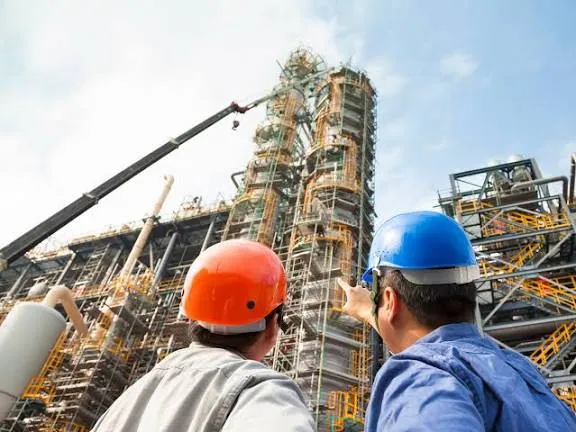
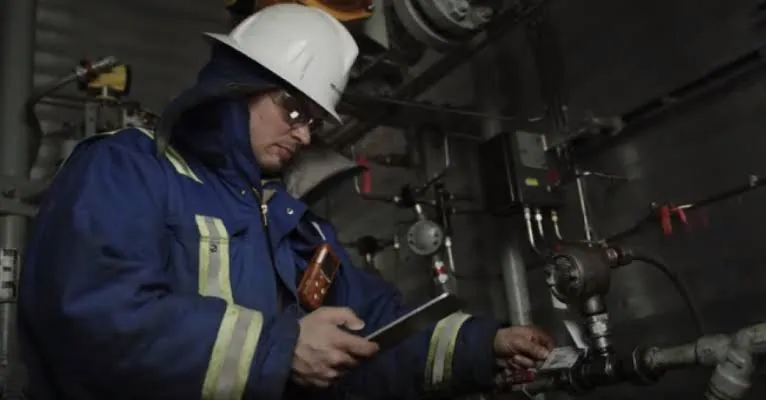
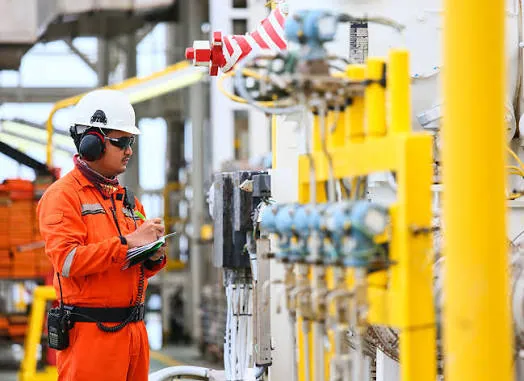
Ensuring pipeline integrity and maintaining strict regulatory compliance requires more than traditional pressure monitoring. The midstream sector is increasingly adopting artificial intelligence to secure high-risk transport corridors against environmental threats. Modern AI-enhanced systems continuously learn from operational data and integrate statistical pattern recognition to detect and localize leaks with unprecedented speed, identifying anomalies that conventional systems miss entirely.
By mapping complex fluid dynamics and pressure variances, EnergyEminence™secures vulnerable networks in real-time. Autonomous drone fleets are deployed to actively monitor remote pipelines, identifying structural threats, landslides, and encroachments long before they escalate. Simultaneously, this automated data ingestion digitizes the tracking process, guaranteeing that operators maintain seamless, real-time environmental compliance with the EPA.
Renewable Integration
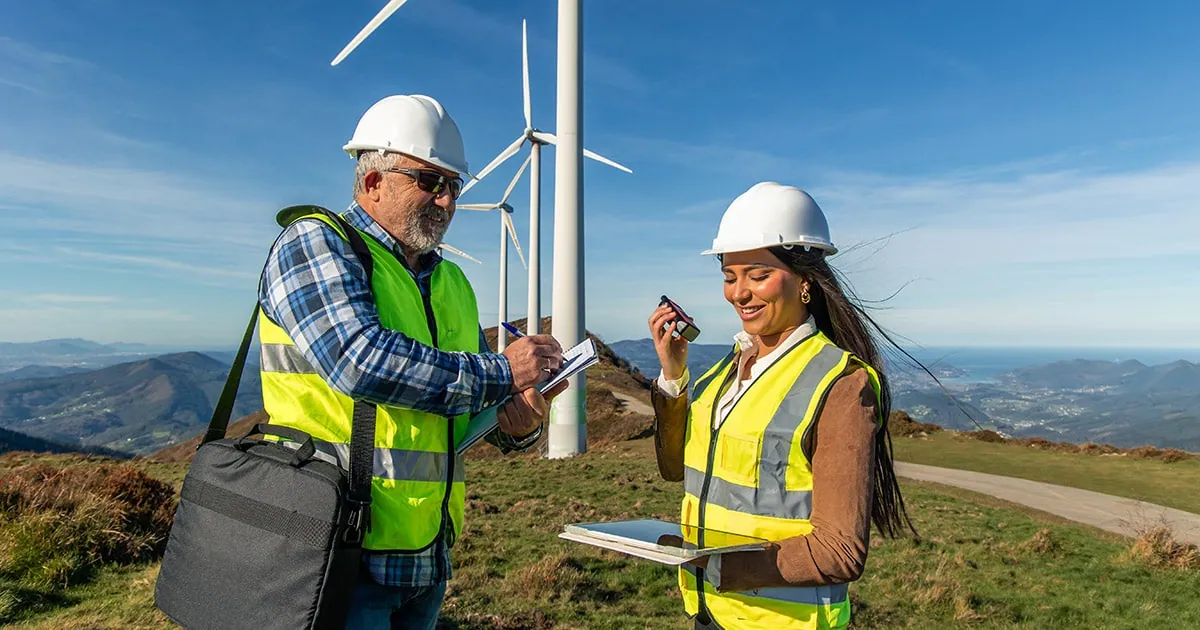
As the global grid replaces traditional synchronous generation with intermittent wind and solar, stabilizing the inherent volatility of green energy has become the industry's greatest engineering challenge. According to the U.S. Department of Energy, scaling Virtual Power Plants (VPPs) could address up to 20% of peak demand and save roughly $10 billion annually in grid costs.
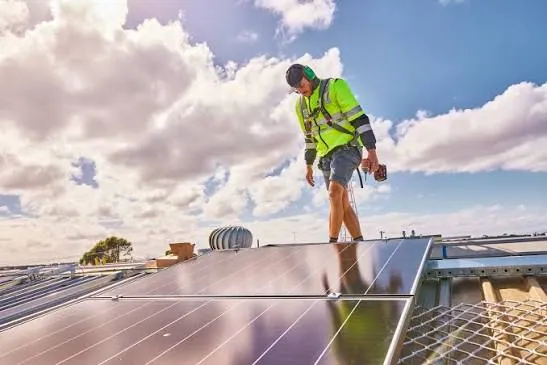
We provide the necessary intelligence layer to integrate these massive-scale Distributed Energy Resources (DERs) smoothly into the global grid. Edge AI agents autonomously coordinate a diverse mix of solar, wind, and battery storage to simulate reliable baseload power. During severe weather events or cold snaps, AI has already proven essential in helping real-world VPPs alleviate grid stress through intelligent load interaction. By fusing live meteorological data with historical output, our platform accurately forecasts renewable yields days in advance, turning unpredictable elements into a highly synchronized, resilient energy network.
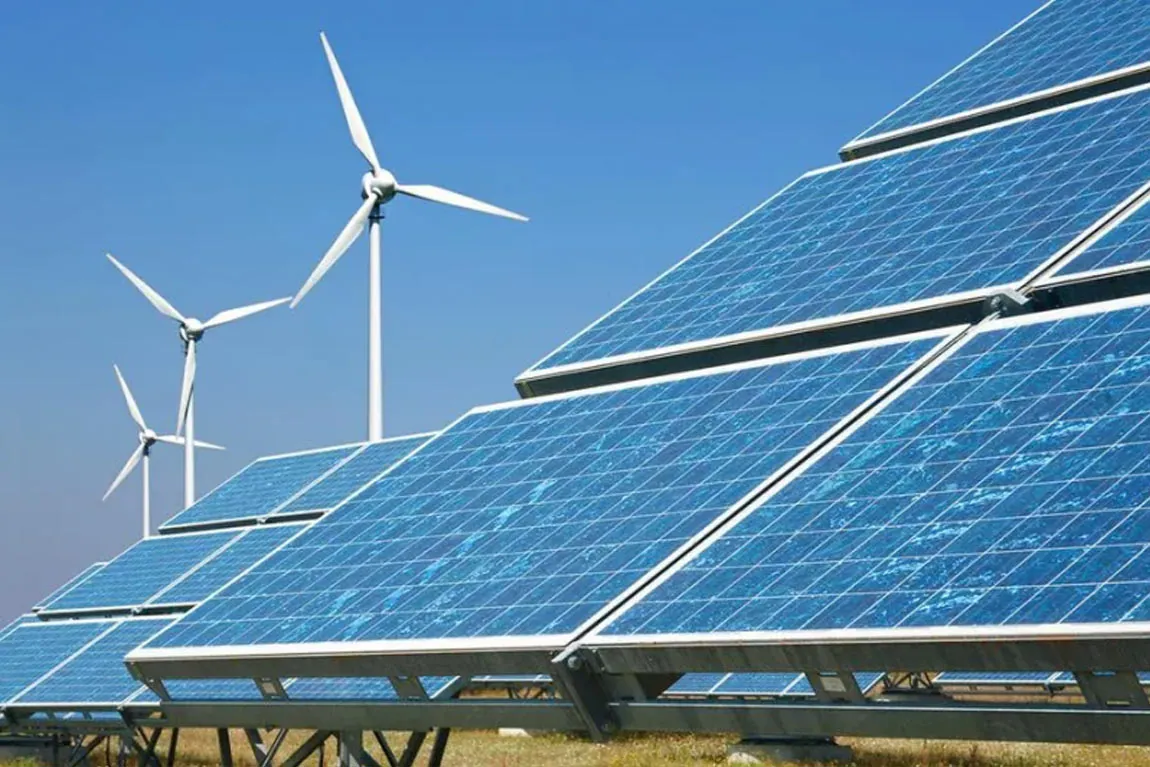
Safeguarding the World's Energy.
We envision a future where artificial intelligence seamlessly protects global energy infrastructure—from pipelines to power lines—while actively safeguarding the environment. By unifying interactive digital twins with robotic telemetry, we are building the ultimate defensive layer for our planet's most critical resources.
The Autonomous Infrastructure Brain
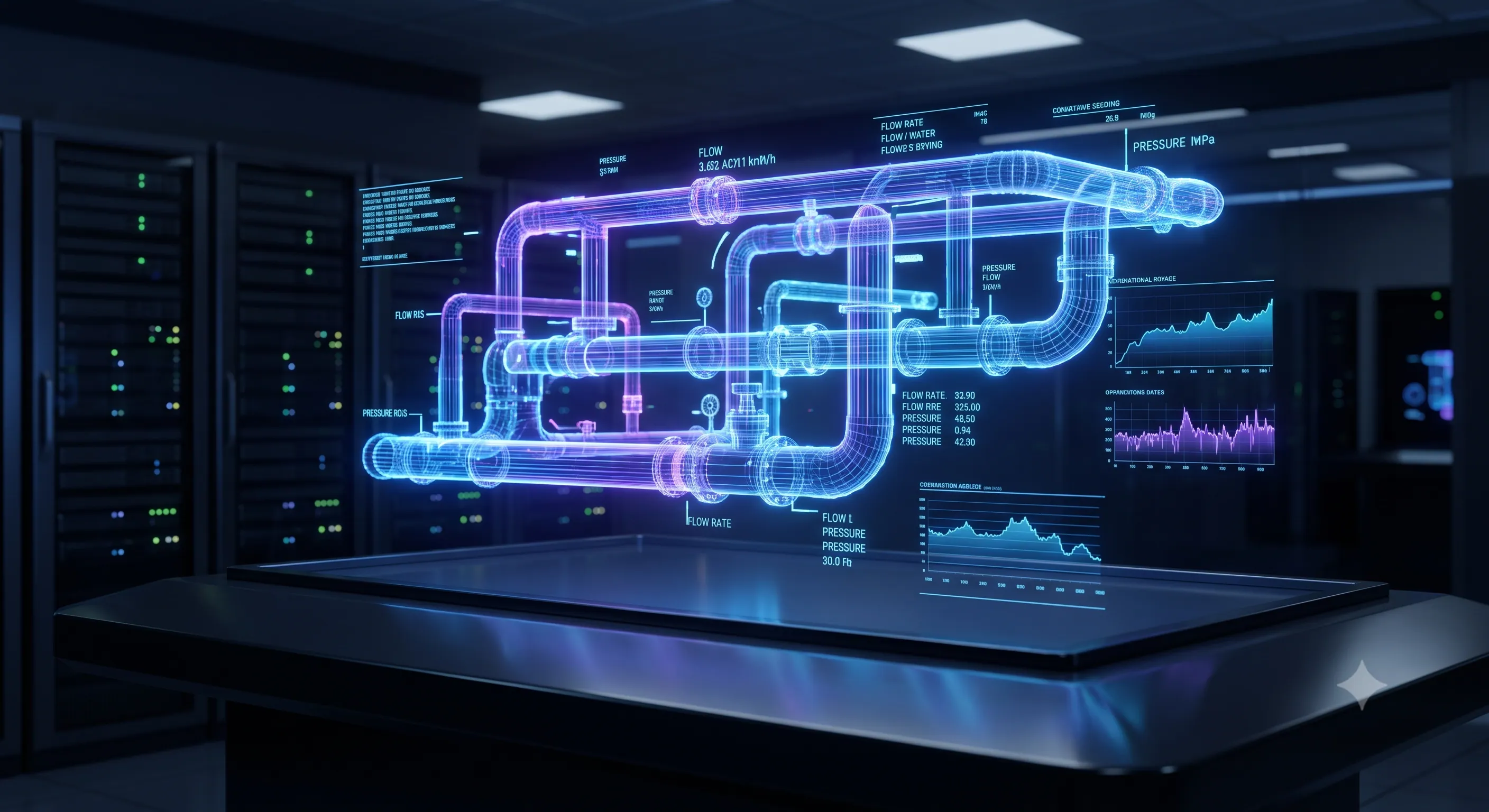
Moving beyond passive monitoring, we are building the neurological system for global energy. By bridging interactive digital twins with real-time robotic telemetry, we are pioneering AI agentic swarms capable of autonomous decision-making.
This means enabling a future where the grid instantly self-heals and reroutes power during a severe storm, or a pipeline automatically isolates a compromised valve before a single drop is spilled—all executed with mathematical precision and zero human intervention.
Proactive Environmental Shield
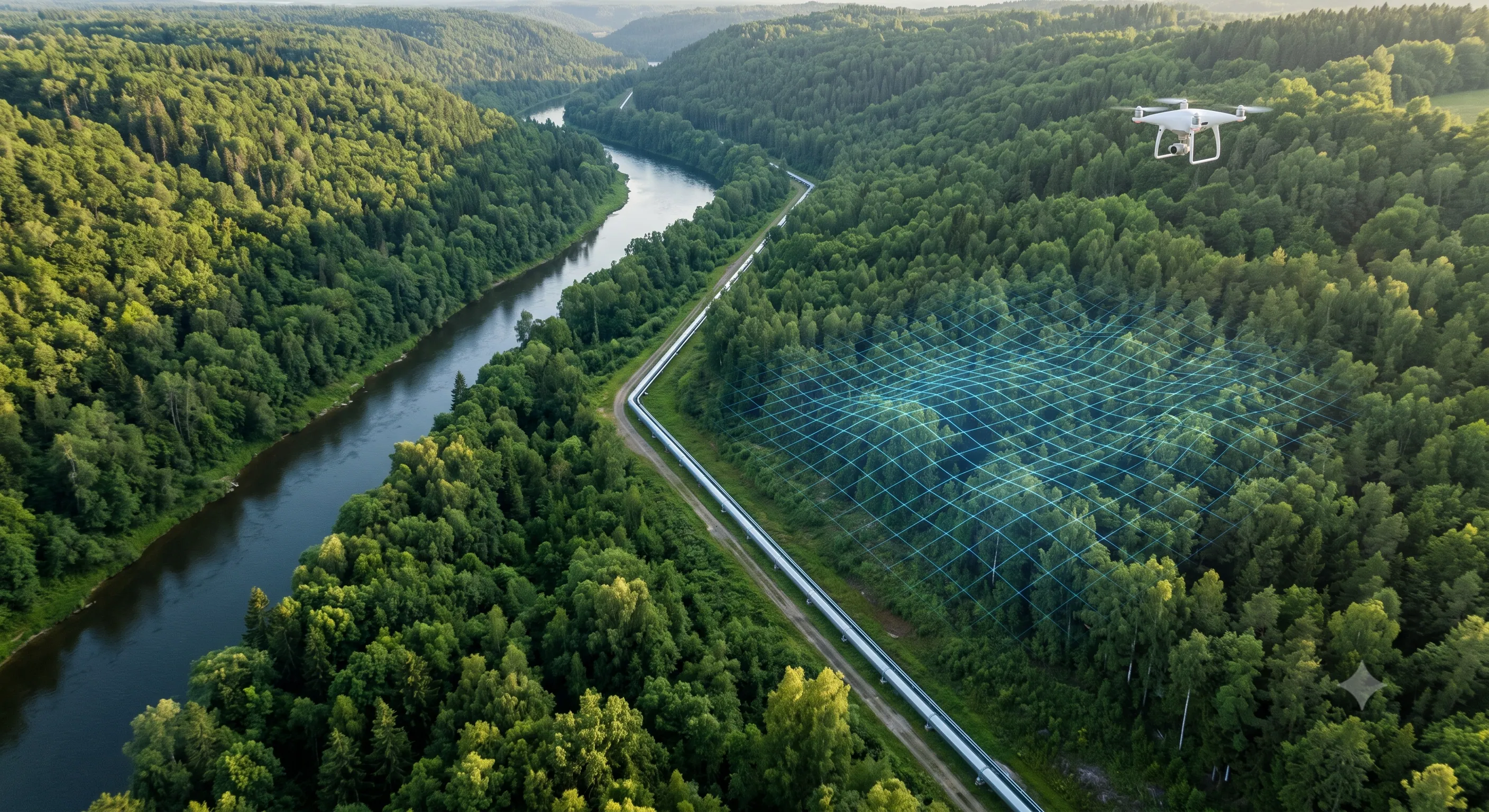
The energy sector and the environment are intrinsically linked. Our vision positions artificial intelligence as the ultimate guardian of planetary health, ensuring that human progress does not come at the cost of the natural world.
By synthesizing environmental intelligence—such as live weather patterns, flood zones, and atmospheric conditions—with edge-processed drone data, we enable the early detection and prevention of catastrophic events. We identify encroaching wildfires, forecast structural floods, and monitor emissions before they escalate into disasters.
Accelerating the Clean Transition
True resilience means evolving how we generate and distribute power. As the world aggressively pursues decarbonization, EnergyEminence™serves as the critical intelligence layer necessary to stabilize this massive infrastructure transition.
We are deeply committed to supporting global clean energy initiatives. By optimizing highly volatile distributed energy resources and automating strict environmental compliance tracking, we are smoothing out the engineering hurdles and paving the way for a sustainable, zero-emission future.
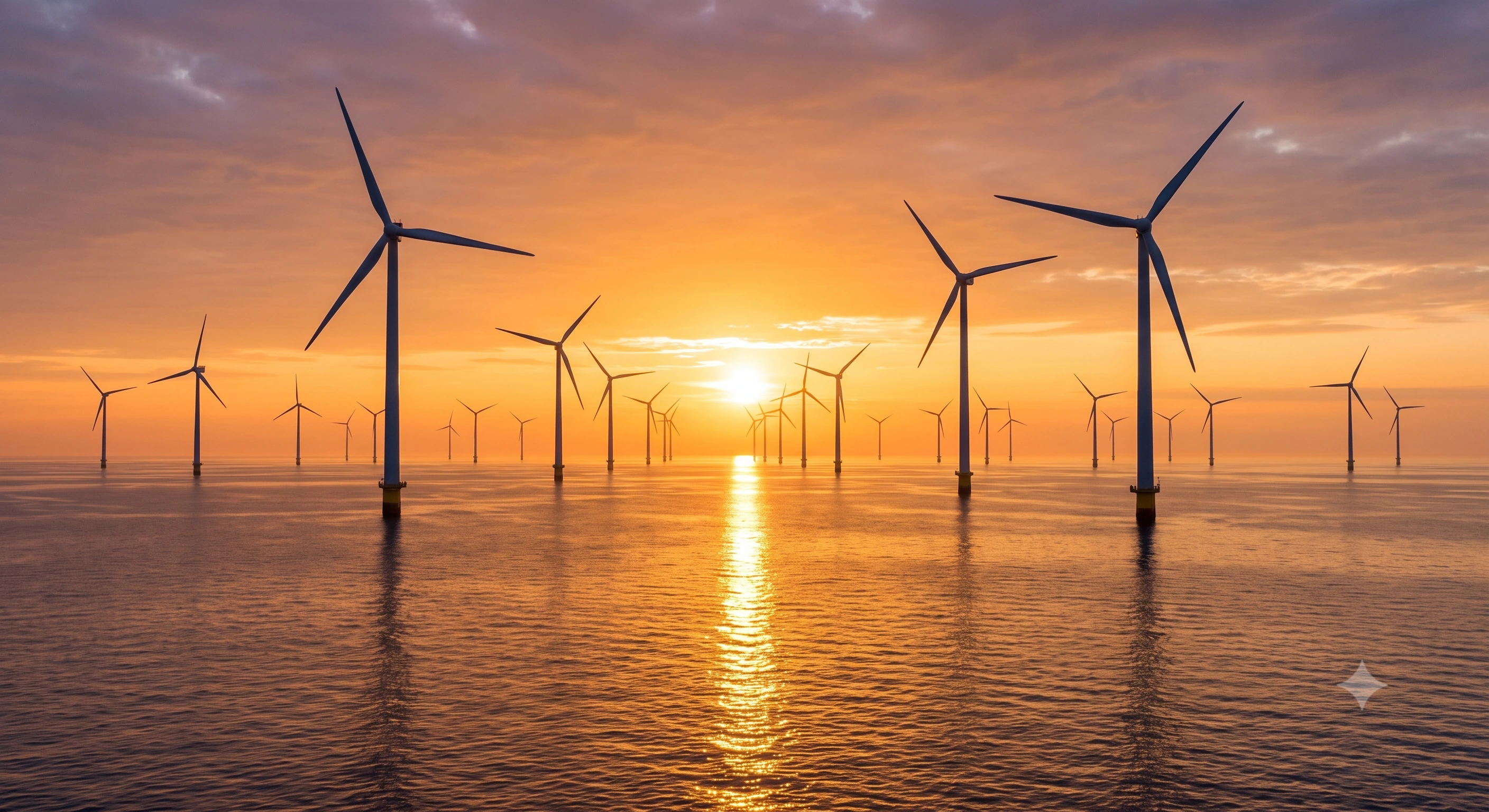
Infrastructure at a Breaking Point.
We are entering an era of unprecedented stress on global energy networks. Legacy monitoring systems are fundamentally unequipped to handle the speed, complexity, and scale of modern grid threats.
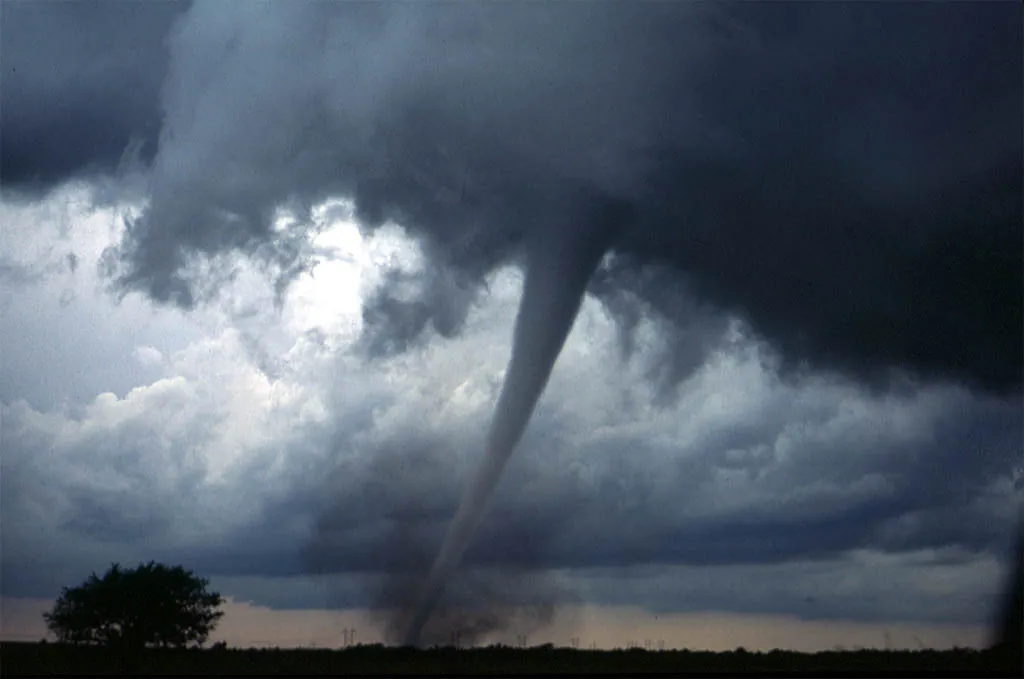
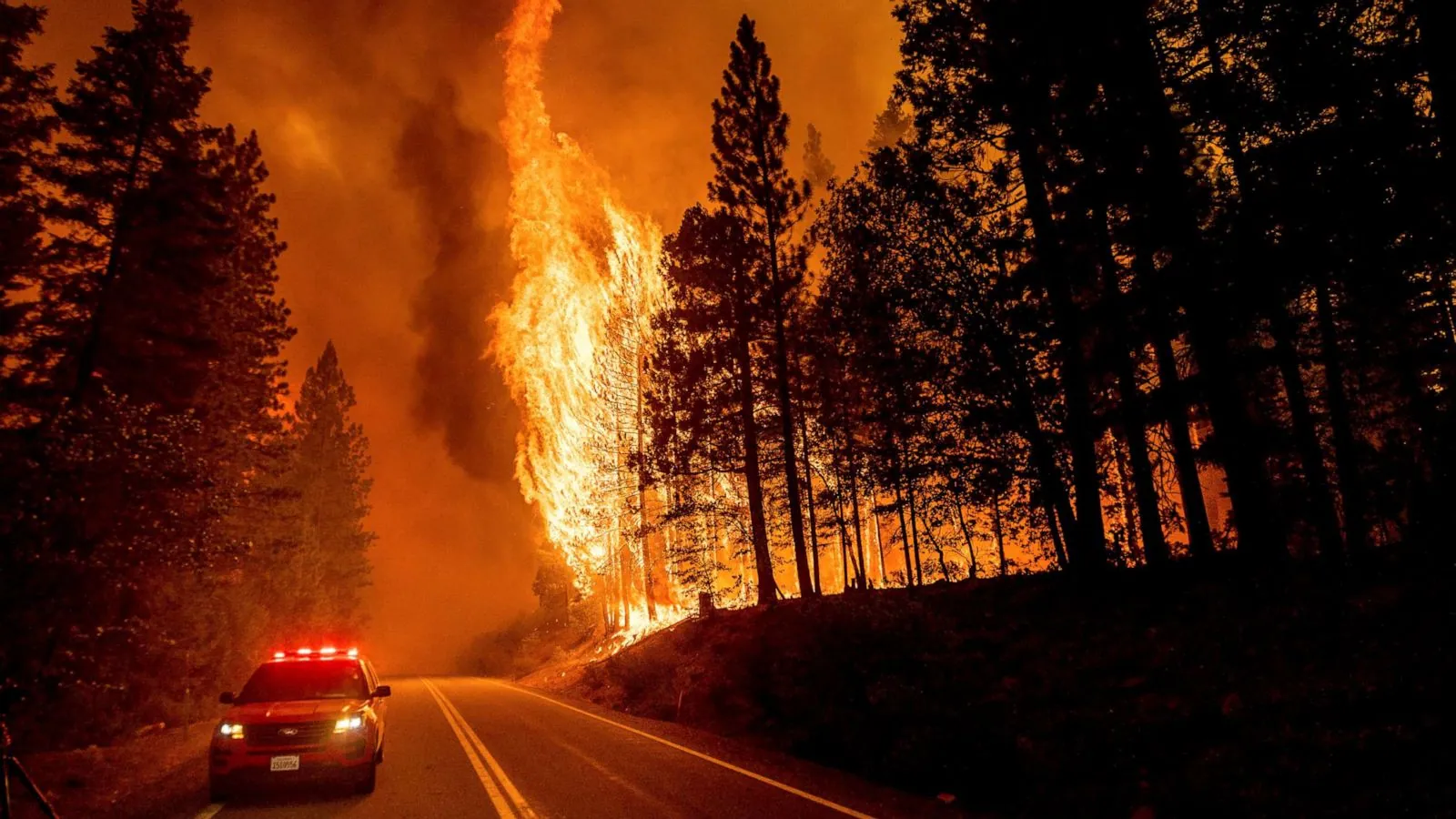
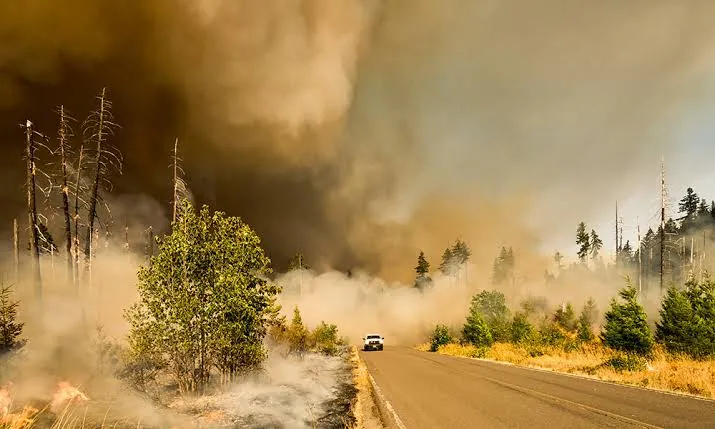
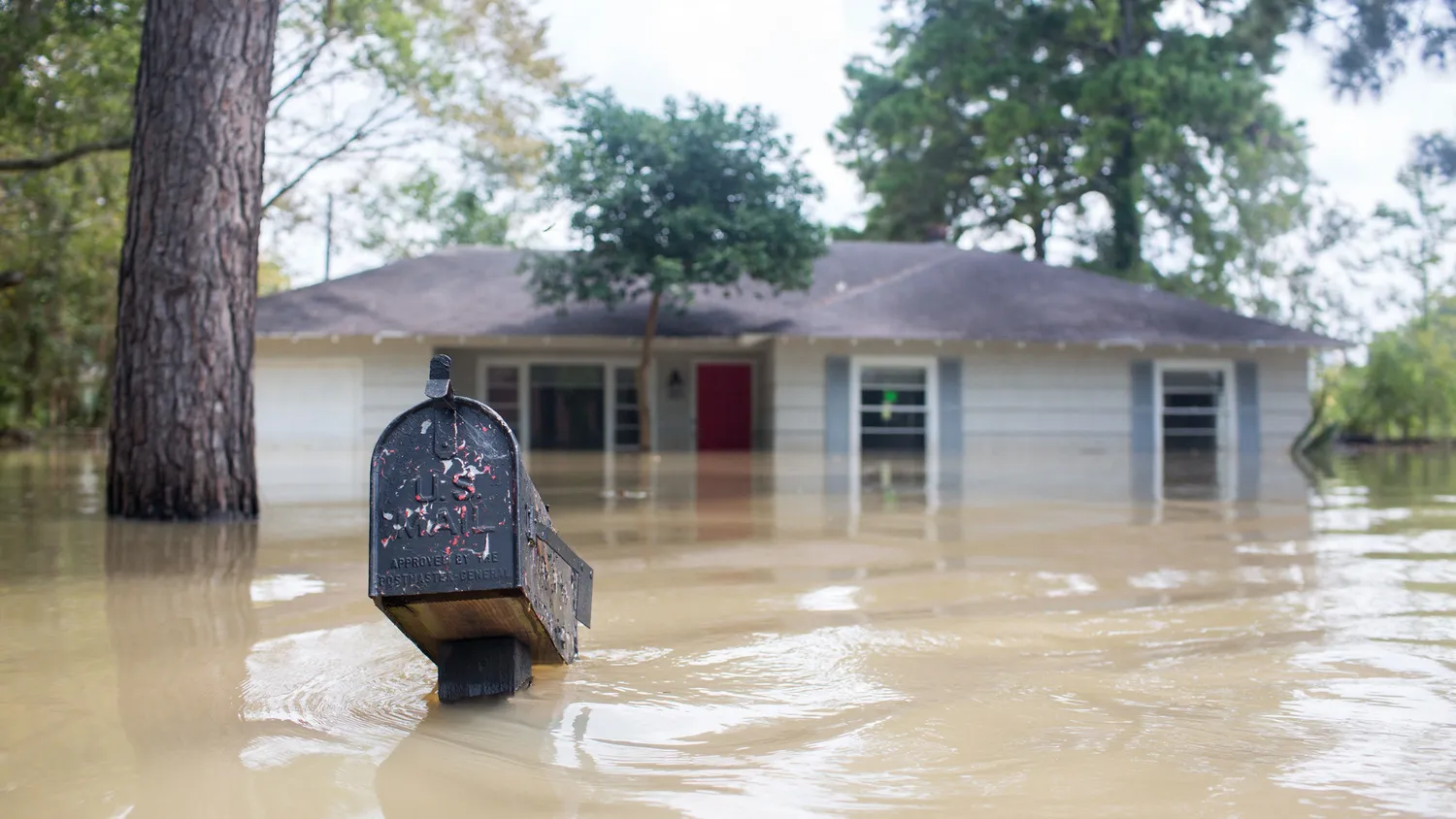
Extreme Weather Events
Wildfires, deep freezes, and category 5 hurricanes are increasing in frequency. The grid was not engineered to withstand these relentless environmental assaults, leading to catastrophic physical damage.
Relying on historical weather models is no longer safe. Trillion-dollar energy grids need dynamic, physics-backed situational awareness to anticipate atmospheric impacts hours before they strike physical nodes.
The AI Power Surge
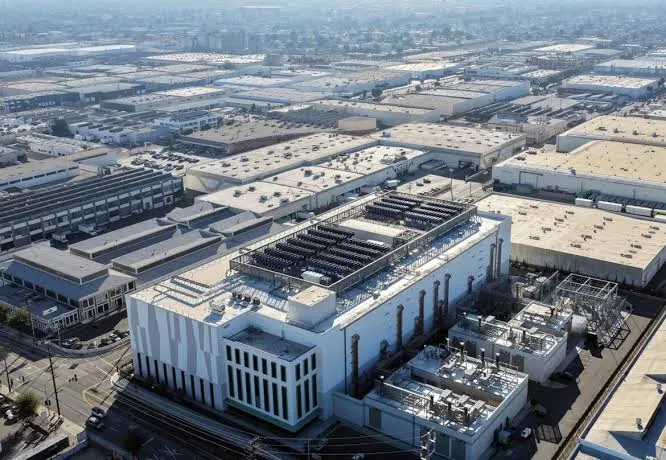
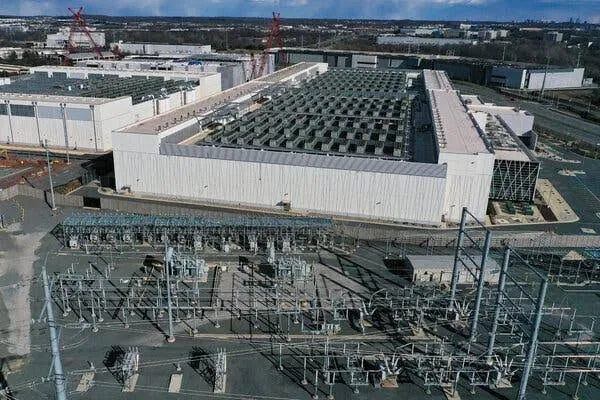
The rapid scaling of AI data centers and global electrification is draining baseload power. Grids are operating dangerously close to their maximum physical thresholds on a daily basis.
Without real-time topology adjustments and autonomous load-shedding configurations, localized thermal overloads from high-density computation clusters risk triggering massive, cascading regional blackouts.
Aging Assets & Legacy Decay
Much of the global transmission architecture is decades past its intended lifespan. Relying on human dispatchers and delayed SCADA alerts to manage decaying assets is a mathematical impossibility.
To prevent trillion-dollar collapses, the grid must think for itself. Autonomous AI is no longer a futuristic luxury—it is the only statistically viable way to calculate asset degradation and execute defensive isolation in real-time.
How EnergyEminence™ Works
A seamless, continuous loop of intelligence bridging the physical and digital worlds in real-time.
1. Ingest
Connect directly to existing SCADA systems, distributed IoT sensors, and live edge-processed drone telemetry.
2. Process
Map incoming spatial and meteorological data instantly onto the 3D physics-informed topological digital twin.
3. Act
The autonomous AI Copilot calculates mitigation matrices, isolates failing nodes, and prevents cascading infrastructure collapse.
About Kraftgene AI
Founded in Toronto, Ontario, Kraftgene AI develops enterprise artificial intelligence solutions for the energy sector. We build technology that protects critical infrastructure while accelerating environmental sustainability.
Our platform acts as a "Single Pane of Glass" for energy convergence. Whether monitoring electron flow in utility grids or fluid dynamics in pipelines, our core AI engine unifies infrastructure health with environmental intelligence through real-time digital twin visualization.
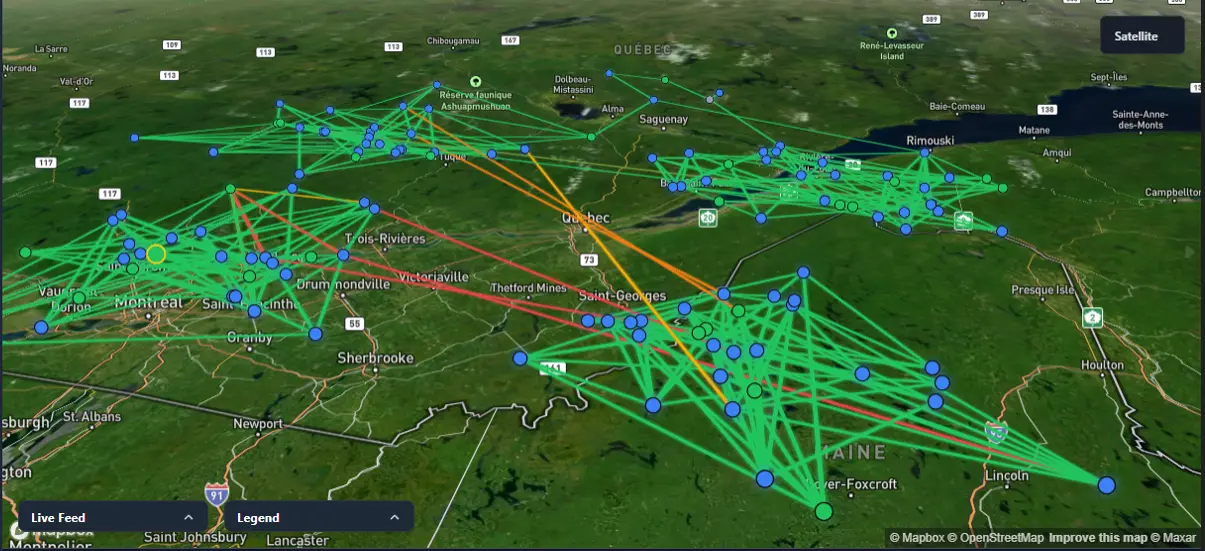
Power Grid MVP
Experience EnergyEminence™ - G. Explore our real-time interactive grid digital twin.
Access Grid Platform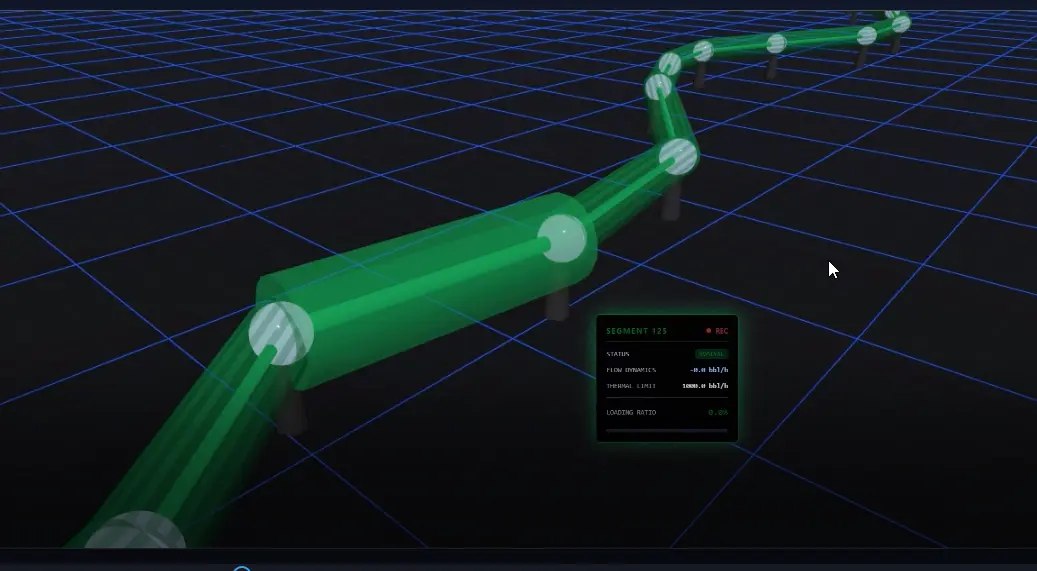
Oil & Gas Pipeline MVP
Experience EnergyEminence™ - P. Explore our real-time interactive fluid dynamics twin.
Access Pipeline Platform
Grid Distribution MVP
Experience EnergyEminence™ - GDN. Explore our 118-bus feeder distribution twin.
Access GDN PlatformFrequently Asked Questions
Everything you need to know about our technology, market focus, and strategic growth.
Meet Our Founders
A diverse group of experts in AI, robotics, and engineering dedicated to building resilient critical infrastructure.

Yu Nong (John)
Co-Founder & CEO
John blends visionary leadership with expertise in ML, software engineering, and robotics to drive global infrastructure resilience.

Yonghao Mai (Michael)
Co-Founder & Chief AI Officer
Michael has expertise in ML, full-stack architecture, and automation to build high-impact, market-ready platforms.
Huy (Michel) Trinh
Co-Founder, Digital Twins Engineer & Head of Technical Partnerships
Michel bridges physics-informed modeling with machine learning, leading the development of our high-performance Digital Twin architecture.
Jigar Patel
Co-Founder & Hardware-Embedded Engineer
Jigar leads physical engineering and hardware integration, focusing on developing the Kraftgene Edge Pod and advancing on-device edge computing.
Company Updates
August 14, 2026
EnergyEminence™ - GDN (R&D) Is Now Live
Explore our 118-bus feeder distribution twin. The Grid Distribution Network (GDN) Digital Twin MVP is officially online for enterprise R&D testing.

May 29, 2026
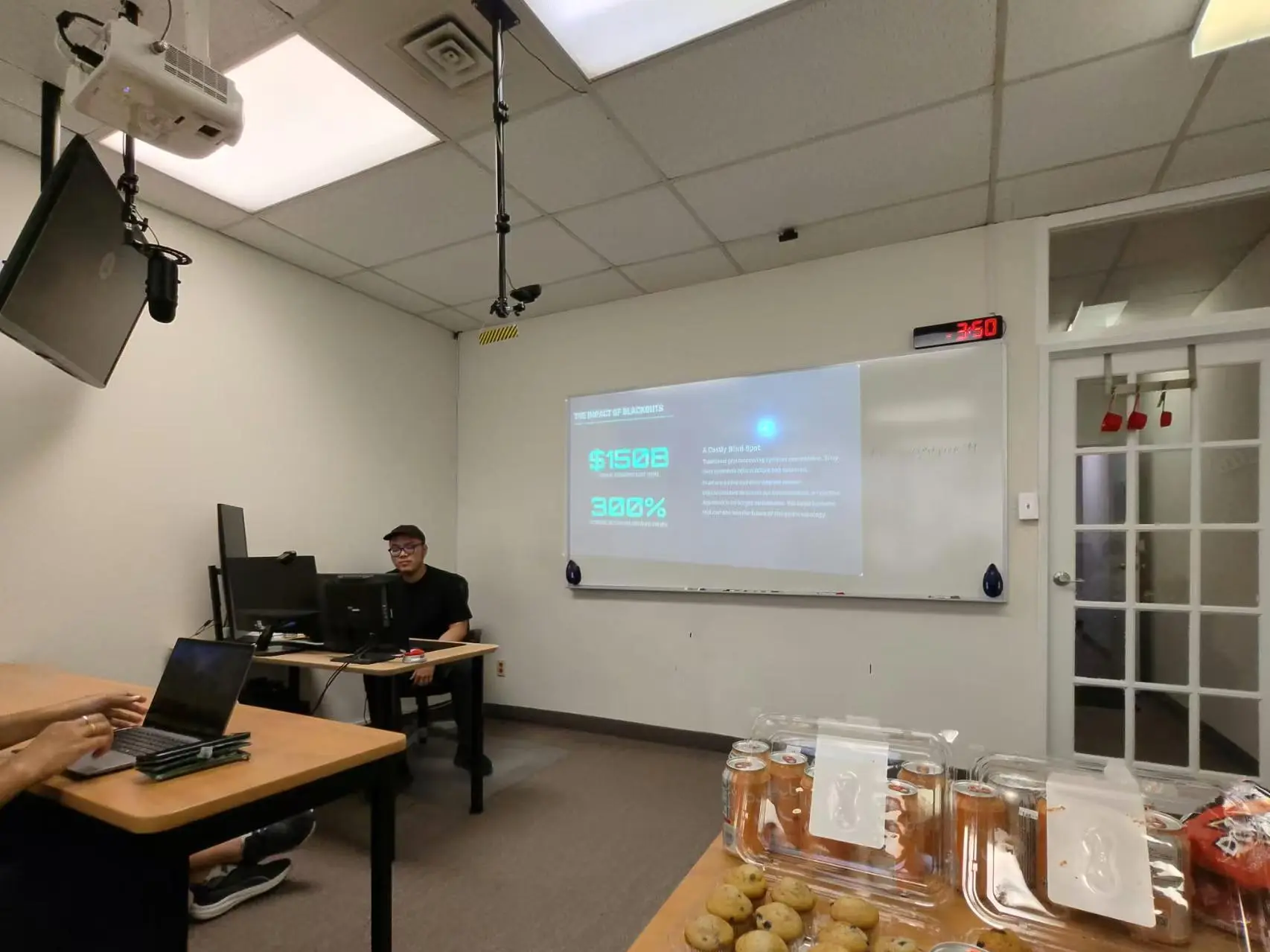
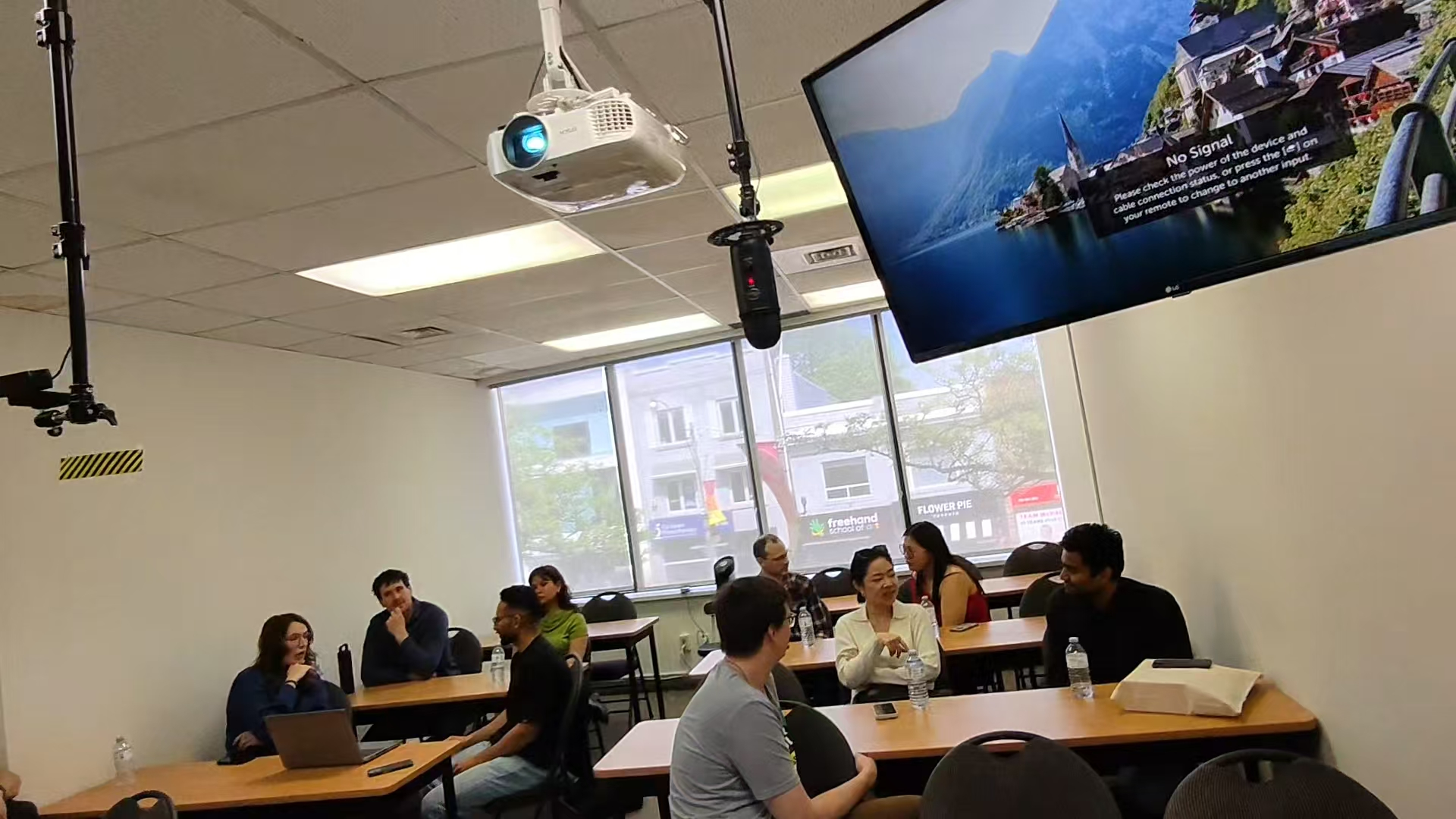
Kraftgene AI at Toronto Tech Week
We successfully hosted our latest tech showcase at Toronto Tech Week. Thank you to everyone who joined us to discuss the future of critical infrastructure resilience and autonomous AI.
July 20, 2026
EnergyEminence™ - G is Now Live
Experience the future of grid monitoring. Our Power Grid Digital Twin MVP is officially online, interactive, and ready for exploration.
July 27, 2026
EnergyEminence™ - P is Now Live
Explore our real-time interactive fluid dynamics twin. The Oil & Gas Pipeline Digital Twin MVP is officially online for enterprise testing.
July 11, 2026
Networking at StartupFest Montreal
The Kraftgene AI team traveled to Montreal for StartupFest, connecting with industry leaders, investors, and innovators to expand our strategic partnerships across Canada.



July 27, 2026
Joining Vector Institute Fast Lane & DaRmod
We are proud to become an active member of the Vector Institute's Fast Lane program and officially join the DaRmod program, accelerating our AI capabilities with world-class research backing.

April 11, 2026
Accepted into Microsoft for Startups Founders Hub
We are thrilled to join the Microsoft for Startups Founders Hub, gaining access to industry-leading AI infrastructure and Azure cloud resources to scale EnergyEminence™ globally.

December 17, 2025
Accepted into NVIDIA Inception Program
Kraftgene AI is officially part of the NVIDIA Inception global program, empowering our physics-informed predictive models with cutting-edge GPU acceleration.

November 10, 2025
Accepted into AWS Activate Program
We have partnered with AWS through the Activate program, strengthening our digital twin pipeline with enterprise-grade cloud reliability.

May 10, 2026
Accepted into Google for Startups
Kraftgene AI has joined the Google for Startups ecosystem, gaining strategic support to scale our AI-driven critical infrastructure solutions.

Strategic Partners & Ecosystem
Accelerating our technology with the support of industry leaders and innovation hubs.







Secure Your Infrastructure Today
We are currently seeking enterprise pilot partners and engaging with strategic investors to scale our platform deployment.
